
How to Promote an Immersive Event: Strategies That Fill Seats
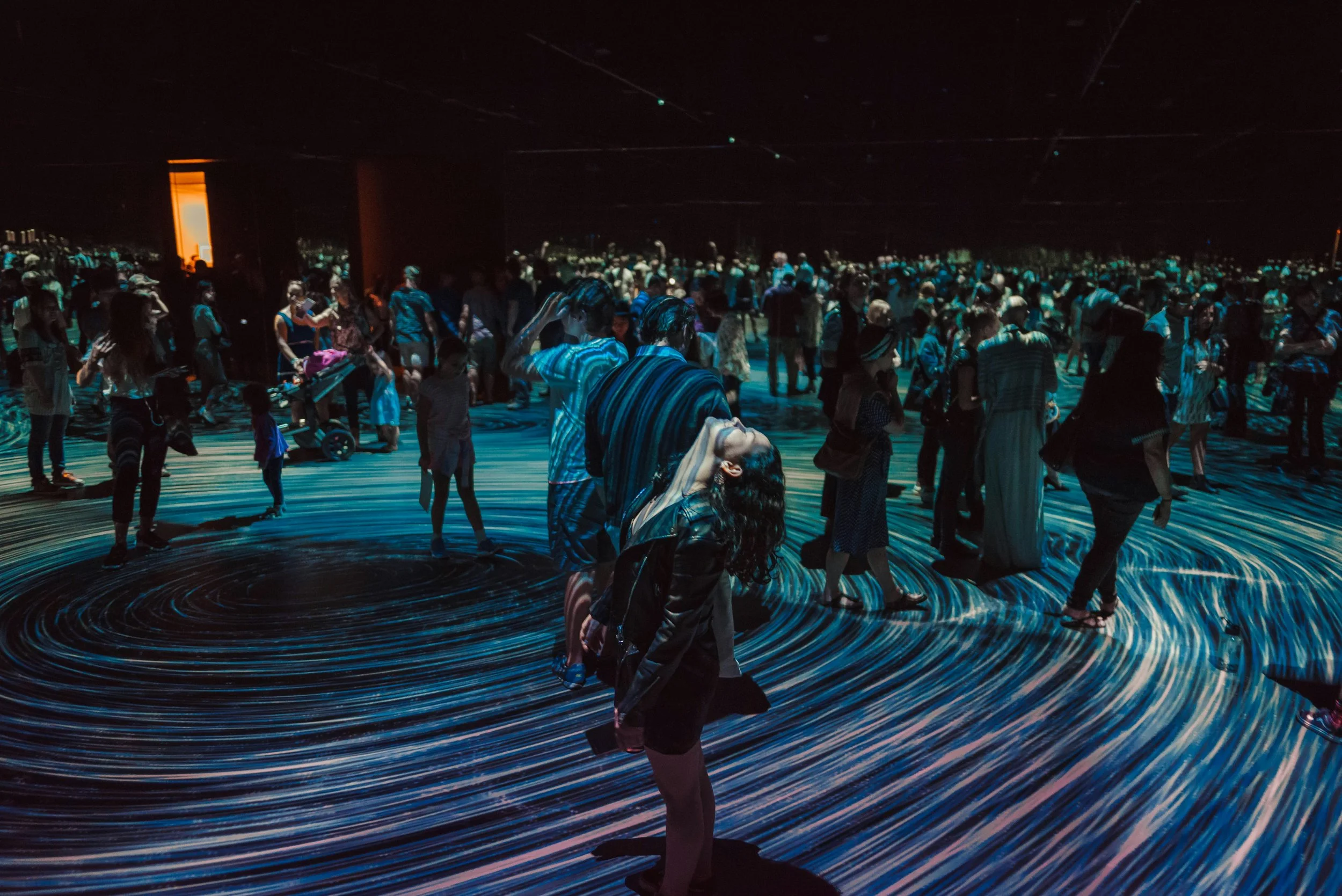
Promoting an immersive event is not the same problem as promoting a product, a service or even a more straightforward live experience.
The standard toolkit, paid social, email, press, influencers, is available to you. But the way those tools are sequenced, weighted and timed inside the specific commercial structure of an immersive run is what separates campaigns that fill every session from campaigns that limp to a close with unsold inventory and a discounting decision nobody wanted to make.
This guide covers the promotion strategies that actually work across the full lifecycle of an immersive event, from before the on sale opens to the final days of the run. It is built around the commercial realities of selling a time-bound, capacity-limited experience where the product itself cannot be fully previewed.
Research consistently confirms what experience economy practitioners already know: immersive events command genuine audience appetite. Recent event marketing data shows 64 per cent of attendees now cite immersive experiences as the most important element of an event they are considering. The demand exists. The question is always whether the promotion captures it efficiently enough.
THE PRE-SALE PHASE: THE WORK THAT DETERMINES EVERYTHING ELSE
The most important promotional work you will do for an immersive event happens before a single ticket goes on sale.
This is not a widely understood point. Most teams treat the on sale as the starting gun. It is not. It is the moment you find out how well you prepared. If the audience is warm, informed and primed before the booking page opens, the first 48 hours of the on sale will reflect that. If the on sale is also your first attempt to tell anyone the experience exists, you are starting behind.
The pre-sale phase has three specific jobs. The first is building awareness in the right communities. For immersive events specifically, that means the communities where people share and recommend experiential activities: local WhatsApp groups, subreddits, culture and leisure newsletters, food and drink platforms for events with hospitality components. These are not necessarily the channels with the highest reach. They are the channels where recommendation carries weight.
The second job is capturing intent. If someone visits your pre-sale page, engages with your content or watches a teaser, that is a signal worth retaining and acting on. Building a pre-registration list, even a small one, gives you a warm audience to hit the moment the booking page opens. That first hour of an on sale is disproportionately important for the narrative it creates, and having a pool of genuinely interested people to email it to is worth far more than a large cold audience.
The third job is generating early social proof. Seeding the experience with journalists, community tastemakers or people with genuine credibility in the relevant cultural space, before the on sale, means you have coverage and conversation to point to when the booking window opens. A review from a trusted voice, even a short one, does work in the first days of a campaign that no paid creative replicates.
THE ON SALE: THE FIRST WEEK SETS THE TRAJECTORY
The opening of the booking window is the highest commercial leverage moment of the entire campaign. What happens in the first seven days shapes how the rest of the run is perceived and sold.
Strong early sales signal demand and create social proof. Slow early sales create the opposite problem: the experience looks unvalidated, and hesitant bookers use that hesitation as permission to wait. Waiting, in an immersive run with limited capacity and multiple session types, becomes a habit that compounds.
Three things determine how the first week performs.
The first is how warm the pre-sale audience is, covered above. The second is how clearly the booking page communicates the experience. This is where most immersive event promotion falls down. The product is invisible until someone is inside it, and most booking pages attempt to describe it rather than communicate the feeling. The most effective immersive event listing pages lead with genuine visitor reactions, not produced copy. They use video that captures unscripted responses. They make the emotional outcome of the experience legible before the potential booker has read a single line of description.
The third is urgency that is honest. Genuine scarcity is one of the most powerful commercial levers available in immersive event promotion, because it is real. You have finite sessions. You have fixed capacity per session. When those constraints exist and you communicate them clearly, they accelerate decisions. The mistake is manufacturing urgency that does not exist, or applying it so consistently that audiences learn to ignore it.
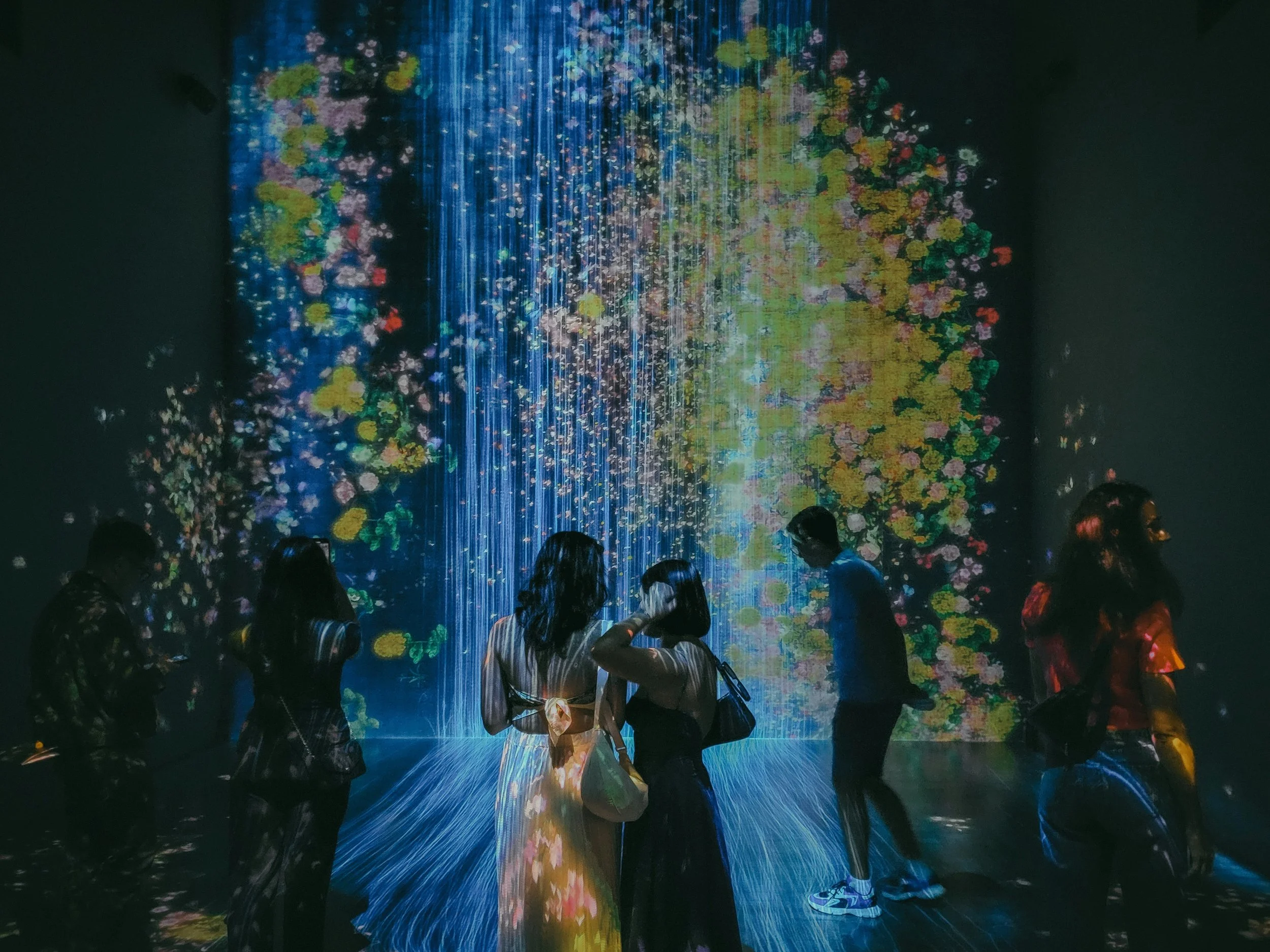
THE MID-RUN: THE PHASE MOST CAMPAIGNS UNDERINVEST IN
The promotional calendar for most immersive events looks like a large spike at launch, a smaller spike in the final weeks, and a long, underfunded middle. That shape is a commercial problem.
The middle of a run is where the audience is often at its most receptive. Early adopters have attended and the social proof is building organically. Reviews are accumulating. Word of mouth is active. The experience has been written about. All of that infrastructure is in place, and most campaigns are barely using it.
Mid-run promotion should be doing four things.
First, feeding retargeting audiences with real visitor content rather than produced brand material. UGC collected from early visitors, with their permission, consistently outperforms branded creative at this stage of the campaign cycle. The audience has seen your launch material. Fresh, authentic content from real visitors cuts through in a way that another produced ad does not.
Second, actively managing session-level inventory. Not all sessions carry equal demand. Weekday daytime slots need different treatment from peak weekend sessions. Mid-run is the time to identify which sessions are behind pace and direct promotional weight toward them, rather than running the same campaign against the full availability.
Third, working the group booking opportunity. Immersive events index heavily toward group visits. Corporate away days, birthday experiences, friend group outings. Mid-run is the time to push group booking mechanics actively, because the social proof that makes a group booking feel safe to commit to is at its strongest once the experience has been running for several weeks.
Fourth, maintaining earned media momentum. The initial press coverage has run. The mid-run challenge is keeping the experience in editorial conversation without a new story hook. Look for what is genuinely interesting about how the experience is landing with audiences that was not predictable at launch. Unexpected audience behaviour, a particular session format that is generating remarkable feedback, a community reaction that was not anticipated. These are real editorial stories that cost nothing to pitch and do genuine promotional work.
THE CLOSING PUSH: URGENCY WITHOUT DESPERATION
The final two to three weeks of an immersive run offer the strongest natural commercial lever available: genuine closing urgency. The experience is ending. The window is real. For potential bookers who have been aware of the experience but have not yet committed, this is the moment to convert them.
The closing push works best when it is built on honesty and specificity. Not a generic last chance message, but a clear statement of what is actually remaining: specific session types, particular dates, the actual picture of what is left. Audiences have become skilled at ignoring manufactured urgency. Genuine closing inventory, communicated plainly, performs.
Past visitors are an underused asset at this stage. People who have already attended and had a strong experience are predisposed to recommend. A simple, direct ask for them to share, invite someone who has not yet been, or forward the closing information to a specific person they think would love it, is one of the most cost-efficient promotional interventions available. It costs almost nothing and works with the natural social dynamic of live experiences rather than against it.
The one thing to resist at the closing phase is reflexive discounting. Discounting at close trains future audiences to wait for the sale. It erodes the premium positioning that immersive events command and that the rest of the campaign has worked to establish. If sessions genuinely need support in the final days, there are more commercially intelligent ways to stimulate demand, including group offers, time-sensitive add-on bundles or waitlist reactivation, that do not permanently signal that your headline price is not real.
THE DATA THAT ACTUALLY TELLS YOU WHAT TO DO
Promotion decisions across all three phases of an immersive run should be grounded in live sales data, not instinct alone. This is a point worth stating plainly because the gap between teams who use their sales data actively and teams who check it periodically and carry on regardless is a significant commercial gap.
The data points that matter most are pacing against target by session type, booking lead time distribution, and source attribution. Pacing tells you where to weight your promotional effort. Lead time distribution tells you how far in advance your audience is committing and whether that window is changing. Source attribution tells you which channels are actually driving bookings rather than which channels feel busy.
Mid-run is also when external signals start to matter. Experience economy research published in 2026 highlights that consumer discretionary spending patterns are shifting, with people spending less frequently but more per occasion when they do commit. For immersive events, which often sit in that higher spend bracket, understanding where your experience sits in that consideration set, and what can extend the consideration window rather than collapsing it into a discount, is genuinely commercially useful thinking.
THE FRAMEWORK, COMPRESSED
Pre-sale: build awareness in communities where recommendation carries weight, capture intent before the booking page opens, seed social proof before you need it.
On sale: lead with authentic visitor content on the booking page, communicate honest scarcity, hit the warm audience first and measure the first seven days as a leading indicator for the rest of the run.
Mid-run: use UGC rather than produced creative, manage session-level inventory actively, push group booking mechanics, maintain earned media with genuine story hooks.
Closing push: communicate genuine remaining inventory plainly, activate past visitors as advocates, resist discounting in favour of more commercially intelligent demand stimulation.
Throughout: make decisions from live sales data, not from gut feel or what worked on the last campaign.
GOING DEPPER ON PROMOTION STRATEGY
Promotion strategy for immersive events sits within a wider commercial framework that includes on sale planning, yield thinking and audience development. The tactical decisions covered in this guide work best when they are connected to that broader picture rather than deployed in isolation.
The GIEM Experience Marketing Masterclasses is built specifically for marketing and sales managers in the experience economy. It covers campaign strategy, commercial frameworks and the digital skills relevant to selling immersive and ticketed experiences, with a peer cohort working through the same problems you are. Full details at theGIEM.com.
For practitioners who want to hear how these promotion challenges are being addressed across the sector right now, the On Sale Live annual confex is where those conversations happen. Marketing, ticketing and sales professionals from immersive entertainment, theatre, visitor attractions and live music in the same room, sharing current practice. More at onsale.live.
FURTHER READING
For an evidence-based overview of where immersive event demand is heading and the statistics shaping campaign planning in 2026, the Thunderbit event marketing statistics roundup is a reliable reference point, including the 64 per cent immersive experience preference figure cited above.
For a practical perspective on promotion tactics that fill seats under commercial pressure, including how ethical urgency and non-discount demand stimulation work in the current market, Ticket Fairy's 2026 guide to event marketing strategies covers the terrain well.
Written and published by Dawn Farrow’
RELATED RESOURCES FROM THE GIEM
Specialist masterclass for marketing and sales managers in the experience economy: theGIEM.com.
The annual confex for experience economy marketing professionals: On Sale Live: The Experience Economy Expo at onsale.live.
Strategic consultancy and commercial thinking from Dawn Farrow: dawnfarrow.com.