
Best Marketing Channels for Immersive Experiences
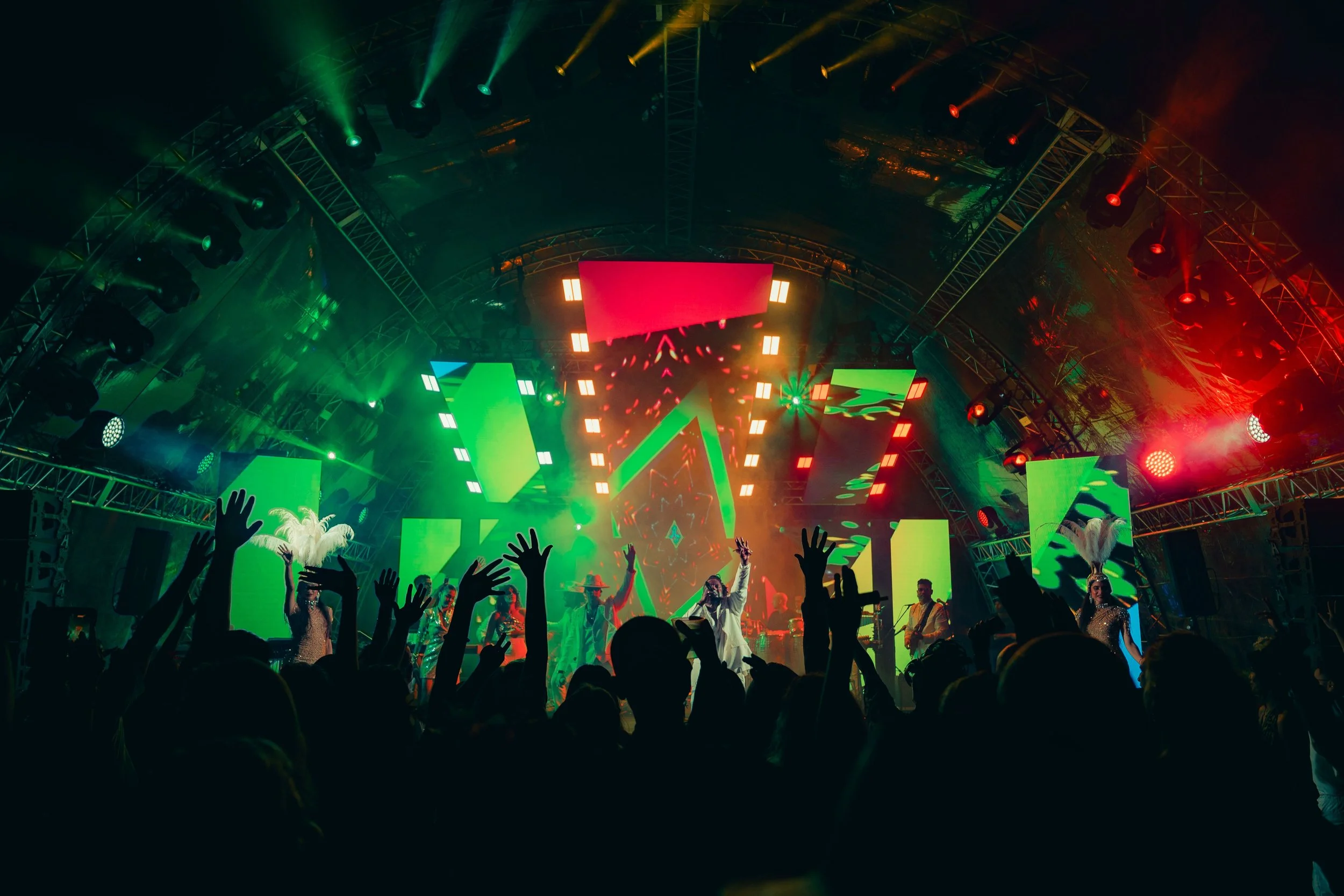
Immersive experiences are one of the fastest growing categories in the experience economy, and also one of the easiest to market badly.
The temptation is to treat the channel mix the same way a general product marketer would: paid social for reach, email for retention, a bit of PR for credibility. None of that is wrong exactly. But it misses what makes immersive experiences different from almost everything else you could be selling tickets to.
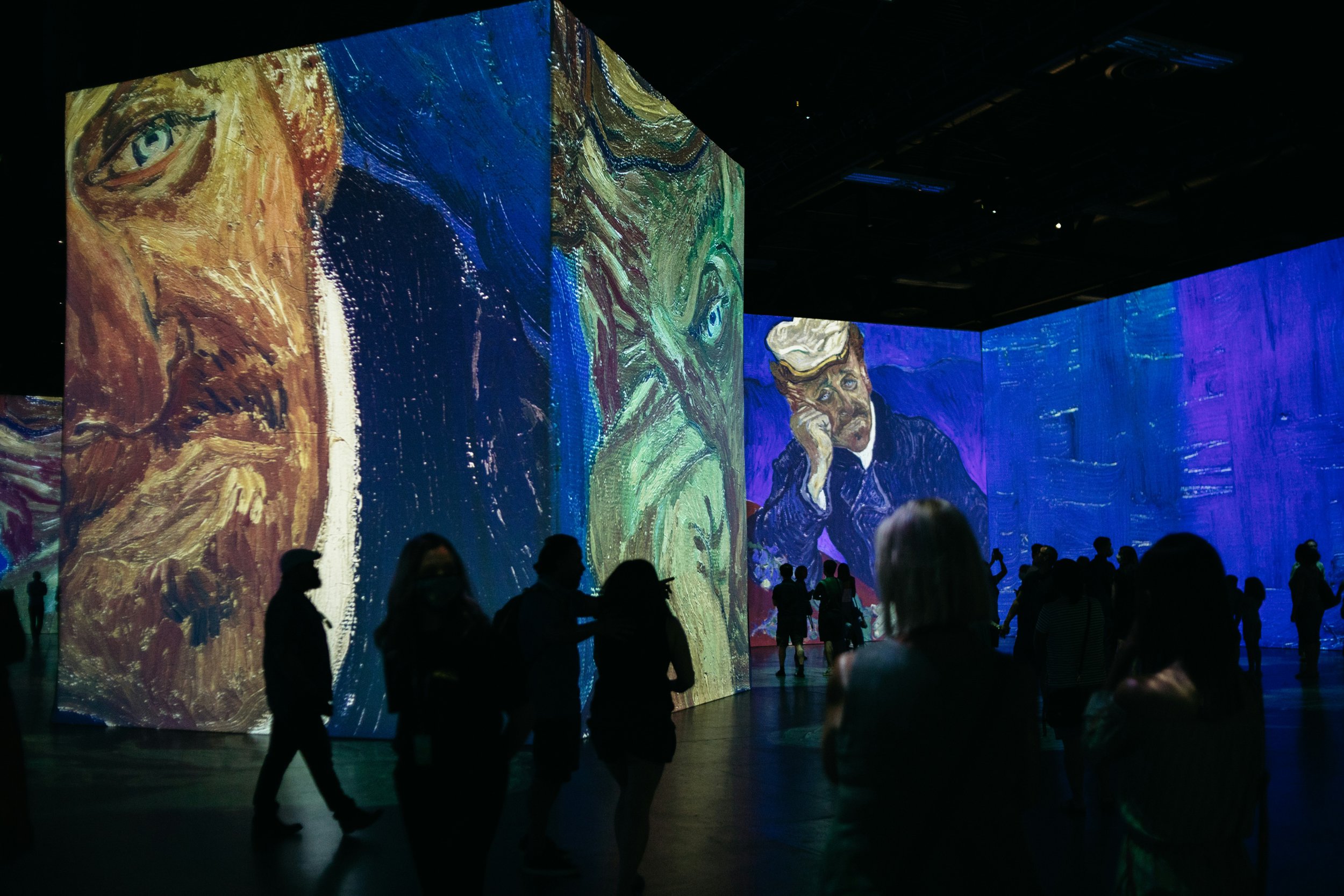
The product is invisible until someone is inside it. The thing you are selling cannot be photographed in a way that captures what it actually feels like to be there. And the audience who will love it most is also the audience most likely to do your marketing for you, if you let them.
This is a practical breakdown of where the spend and attention should actually go, based on how immersive experiences are genuinely discovered, considered and booked.
USE-GENERATED CONTENT IS NOT A NICE-TO-HAVE. IT IS THE CHANNEL
For most product categories, user-generated content sits somewhere in the supporting cast of the marketing mix. For immersive experiences, it is close to the lead.
This is not a hunch. Social campaigns built around UGC see meaningfully higher engagement than standard branded content, and the gap is consistent across platforms. Nearly every experiential event now treats social integration, live capture and user content as a built-in part of the activation rather than an afterthought.
The reason is structural, not fashionable. Immersive experiences sell a feeling that is genuinely difficult to convey through traditional creative. A polished hero shot of your set design tells a potential booker almost nothing about what it is actually like to be inside the world you have built. A thirty second clip of a real visitor's unscripted reaction tells them everything.
Practically, this means designing the experience itself to produce shareable moments. Identify the two or three points in the visitor journey most likely to be captured and shared. Make sure the lighting, framing and pacing at those points actually support a good photo or clip. Brief your front of house team to point people toward those moments rather than leaving it to chance. None of this requires a large production budget. It requires intentional design.
PAID SOCIAL, BUT BUILT AROUND PROOF RATHER THAN PERSUASION
Paid social still earns its place in the mix, but the creative approach that works for immersive experiences is different from a standard product ad.
Booking decisions for immersive experiences are rarely made by one person scrolling alone. They are usually made by a group negotiating a date, a budget and a shared interest, which means your paid creative needs to do more than capture attention. It needs to give that group something to agree on and share with each other.
The strongest performing paid creative in this category tends to be UGC repurposed as an ad, real visitor reactions, real footage, real audio, rather than polished brand-produced content. This is consistent with the wider category data showing user-generated ad creative consistently outperforming traditional branded content on engagement. For immersive experiences specifically, that gap tends to be even more pronounced, because authenticity is doing real persuasive work that a brand-produced ad cannot replicate.
Spend should be weighted toward retargeting warm audiences, people who have engaged with your content, visited your site, or attended a previous run, rather than purely cold prospecting. The consideration window for these purchases is longer than most marketers expect, and retargeting against that longer window tends to outperform broad reach campaigns.
EARNED MEDIA AND PR ARE BACK, AND THEY MATTER MORE FOR IMMERSIVE THAN ALMOST ANY OTHER CATEGORY
Good old-fashioned press coverage has not gone away. If anything, its relative value has increased as paid and organic social channels have become noisier and more saturated.
For immersive experiences specifically, earned media does something paid advertising cannot: it provides third-party validation of the thing you are claiming to deliver. Anyone can say their experience is immersive, transportive, unmissable. A review from a credible outlet describing what it was actually like to walk through your world carries a different kind of weight.
This is also where review content increasingly matters for AI-driven discovery, a point worth returning to below. Reviews and editorial coverage are exactly the kind of content that answer engines surface when someone asks what the best immersive experience in their city is right now.
AI-DRIVEN SEARCH AND DISCOVERY: THE CHANNEL MOST TEAMS ARE NOT YET TREATING SERIOUSLY
This is the channel shift that deserves the most attention right now, because most marketing teams in this sector have not caught up to it.
Search behaviour is moving away from typed keywords and toward direct, conversational queries answered by AI systems rather than a list of links. Someone planning a weekend is increasingly likely to ask an assistant something like what is the best immersive experience in London this month and receive a synthesised answer rather than a search results page. If your content is not structured to be the source of that answer, you are losing discovery traffic that you may not even be able to measure yet.
What this means practically for immersive experience marketers is that the fundamentals which already mattered for SEO now matter even more. Clear, structured content. Genuine reviews and third-party coverage that AI systems can draw from. Schema markup for events, dates and ticket availability. Fast, well-built pages that both humans and AI systems can parse easily.
The teams that treat this as a current priority rather than a future consideration are going to have a meaningful discovery advantage over the next two years.
This is one of the core modules covered in the GIEM masterclass, which is built specifically around how AI-driven search is changing event discovery in the experience economy. More detail at theGIEM.com.
EMAIL, BUT BUILT AROUND THE BOOKING JOURNEY, NOT THE CAMPAIGN CALENDAR
Email remains one of the most efficient channels available, but the structure that works for immersive experiences differs from a standard transactional flow.
Because the decision to attend is rarely made alone and rarely made instantly, your email sequence needs to support a longer, social consideration process. That means content built to be forwarded and shared within a group, not just opened by an individual. It means flows that nurture interest across weeks rather than assuming a single touchpoint will convert. And it means using past visitor data deliberately. Audiences who have already experienced one of your immersive worlds are a meaningfully warmer prospect for your next one than any cold acquisition channel will ever be.
THE CHANNEL MIX THAT ACTUALLY WORKS
Pulled together, the priority order for most immersive experience marketers should look something like this.
UGC and content design built into the experience itself, treated as core infrastructure rather than a bonus output
Paid social weighted toward proof-based creative and warm retargeting over broad cold reach
Earned media and reviews, both for direct credibility and as a feeder into AI-driven discovery
AEO and structured content, treated as a current priority rather than an emerging trend
Email built around a longer, social consideration journey rather than a single conversion moment
None of this is a radical departure from good marketing practice generally. What is different is the weighting. Channels that are secondary in most general marketing playbooks, UGC, earned media, AEO, move to the centre for immersive experiences, because they are the channels best suited to communicating a feeling that cannot be adequately captured in a static ad.
WHERE TO TAKE THIS FURTHER
Getting the channel mix right is one part of a much larger discipline. Understanding the commercial structure behind it, how booking windows behave, how yield should shape your creative priorities, how audience development connects to channel strategy over the long term, is what separates marketers who are competent in this sector from marketers who are genuinely excellent in it.
This is exactly the territory the GIEM masterclass is built to cover. On sale strategy, commercial frameworks, audience psychology, digital skills and AI-driven search, all taught in the context of ticketed and immersive experiences, with a peer cohort solving the same problems you are.
Full masterclass details at theGIEM.com. For the annual confex where these channel shifts are discussed in real time by practitioners working through them, visit On Sale Live: The Experience Economy Expo at onsale.live.
FURTHER READING
For a deeper look at the data behind UGC and experiential engagement, a comprehensive breakdown of the relevant statistics is available at
Revenue Memo's experiential marketing statistics overview for 2026.
For a practical guide to how answer engine optimisation works and what it means for content strategy, HubSpot's guide to AEO trends in 2026 is a useful starting point.
Written and published by Dawn Farrow’
RELATED RESOURCES FROM THE GIEM
Specialist masterclass for marketing and sales managers in the experience economy: theGIEM.com.
The annual expo for experience economy marketing professionals: On Sale Live at onsale.live.
Strategic consultancy and commercial thinking from Dawn Farrow: dawnfarrow.com.